Jan 7
Donegal's Wild Coast Emerges As a Fresh Alternative to Dublin
Jessica Hamel READ TIME: 5 MIN.
More than 770,000 foreign visitors traveled to Ireland in August 2025. Crowded crosswalks, chaotic Temple Bar crowds and packed museums still define a first trip to Dublin. But for a growing number of travelers, Ireland's capital is no longer the main draw.
Along the country's northwest edge, County Donegal is emerging as a quieter alternative. Visitors stay an average of seven nights in Donegal, longer than in most parts of Ireland, according to Fáilte Ireland, drawn by wide Atlantic beaches, sea cliffs and small towns that replace urban bustle.
For repeat visitors to Ireland or travelers who want to avoid crowds, Donegal offers the country's landscapes, culture and hospitality at a slower pace, shifting the focus from city streets to coastline, countryside and daily local life.
Donegal draws travelers beyond Dublin
Dublin still charms with music-filled streets and major cultural sights. It's a natural starting point for first-time visitors. But travel styles evolve, and many travelers begin to seek something quieter.
Long schedules and packed itineraries can give way to trips built around fewer stops and more time in each place. For some, the appeal shifts toward nature, small towns and the chance to experience everyday life rather than ticking off landmarks.
That is where Donegal steps in. Crowds thin as roads leave the main highways, and prices for rooms and meals often drop compared with Ireland's larger cities. The slower pace, combined with time to linger over a pint or a sea view, becomes part of the draw.
Donegal is closer than it looks on the map
Despite its far-north location, County Donegal is more accessible from Dublin than many travelers expect. Driving from Dublin to Letterkenny or Donegal Town typically takes three-and-a-half to four hours, mostly on motorways and primary roads, with service stations and rest stops along the route.
For travelers without a car, long-distance bus services run daily from Dublin's city center and airport to towns including Letterkenny, Donegal Town and Ballyshannon. Travel times typically range from four-and-a-half to five-and-a-half hours, depending on the route.
There are also short domestic flights from Dublin to Donegal Airport, with flight times of about one hour, followed by regional buses or car hire to reach coastal areas. The range of transport options makes Donegal a practical extension to a Dublin trip, even for visitors with limited time.
Stops that capture Donegal's landscape and culture
The appeal of Donegal lies in its blend of wildlife, coastline, food and drink projects, local history and long-standing pubs. A handful of well-chosen stops help explain how all these elements are closely connected along Ireland's northwest coast.
Wild Ireland
Wild Ireland is a wildlife sanctuary that focuses on species native to Ireland, many of which have disappeared from the island over the centuries. Set in a wooded valley, the reserve features wide, naturalistic enclosures connected by walking paths rather than traditional zoo exhibits.
The sanctuary has rescued more than 100 animals, including brown bears, wolves and wild boar, and has planted over 10,000 trees as part of its rewilding efforts. Staff share the animals' individual rescue stories alongside explanations of Ireland's ecological past, blending conservation education with local history and mythology.
Wild Ireland welcomes around 130,000 visitors every year, according to the sanctuary. It draws families, photographers and travelers interested in conservation.
Fanad Lighthouse
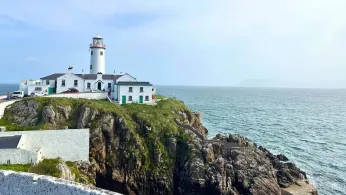
Standing on a rocky headland between Lough Swilly and Mulroy Bay, Fanad Lighthouse marks one of Donegal's most prominent coastal points. The white tower and adjoining keeper's cottages sit above jagged Atlantic rocks, making the site both a navigational landmark and one of the county's most recognizable structures.
The lighthouse dates to 1817 and was built after a series of shipwrecks off the Fanad coast. Today, visitors can walk the headland for views across the Atlantic or join guided tours when available to climb the tower and learn about lighthouse keeping along Ireland's remote northwest shore.
Ardara Distillery
Near the village of Ardara in southwest Donegal, Ardara Distillery is part of Ireland's growing craft whiskey and poitin revival, grounded in a region long associated with illicit distilling. Tours are deliberately small and center around process and place. Visitors learn how spirits are made, hear stories about the area's past and take part in tastings that reflect Donegal's landscape and climate.
Unlike many distilleries, Ardara has chosen not to operate an onsite cafe or restaurant, encouraging guests to continue into the village to eat, drink and support local businesses. The approach reflects a broader commitment to keeping tourism activities connected to the surrounding community, rather than concentrating them in a single destination.
Donegal County Museum
Located in Letterkenny, Donegal County Museum provides essential context for understanding the landscapes and communities visitors encounter across the county. Exhibits focus on everyday life as much as major events, covering fishing, farming, textiles and the long cycle of emigration, migration and return that has shaped Donegal families for generations.
An hour here early in a trip adds depth to the rest of a Donegal itinerary, turning scenic drives and ferry crossings into reminders of centuries of work, movement and survival rather than simple photo opportunities.
Olde Glen Bar
Set along a quiet country road near Carrigart on Donegal's north coast, the Olde Glen Bar offers a glimpse of rural pub life that can be hard to find in Ireland's cities. The low-slung building has served the local community for decades, drawing nearby residents as easily as curious travelers to its pints and traditional music sessions.
The Olde Glen Bar also operates a small restaurant focused on classic pub fare made with locally sourced ingredients and offers on-site accommodations for overnight guests. For travelers exploring Donegal by car, it provides a convenient base and a quieter alternative to busier towns, combining food, music and lodging in one rural stop.
A different way to see Ireland
For travelers willing to look beyond Dublin, County Donegal offers a quieter counterpoint. Along its Atlantic edge, wildlife sanctuaries, historic lighthouses, small distilleries, local museums and long-standing pubs combine landscape with daily life. The result is an Ireland that feels less hurried and more rooted, especially for repeat visitors seeking depth over crowds.
Jessy Hamel is a syndicated travel writer and the creator of Tartan & Teacups, a travel site that inspires women to stop waiting and start traveling. She covers destinations across the United Kingdom and Europe, with a focus on Scotland, Ireland, Italy and Portugal.